
CHANEL, OR THE PRICE OF FEELING SOMETHING
By Thea Elle · April 22, 2026 · Couture CommentaryLast week, something like a minor economic hallucination took place.
CHANEL for Everyone (Apparently)
CHANELmania,” as Amy Odell called it in Back Row, swept through Paris, New York, and every feed worth scrolling. Editors and stylists—some quietly enjoying a 30% discount—rushed boutiques for $10,000 tweed jackets, $11,000 bags, $1,300 shoes. Then came everyone else. Lines formed. Doors opened. Bags multiplied.
For a brief moment, it looked like the entire world was buying CHANEL.
And somewhere between Kylie, Hailey, and the woman next door walking out with three shopping bags, a simple question surfaced:
How is everyone affording this? In this economy?
A personal finance expert called it “economic dysmorphia.” Prices have inflated so aggressively that perception has quietly adjusted. A $1,300 pair of flats no longer shocks. It barely interrupts the scroll. And beyond that, there’s something more psychological at play: luxury doesn’t just decorate reality—it edits it. It gives you, briefly, the feeling of being on the other side.
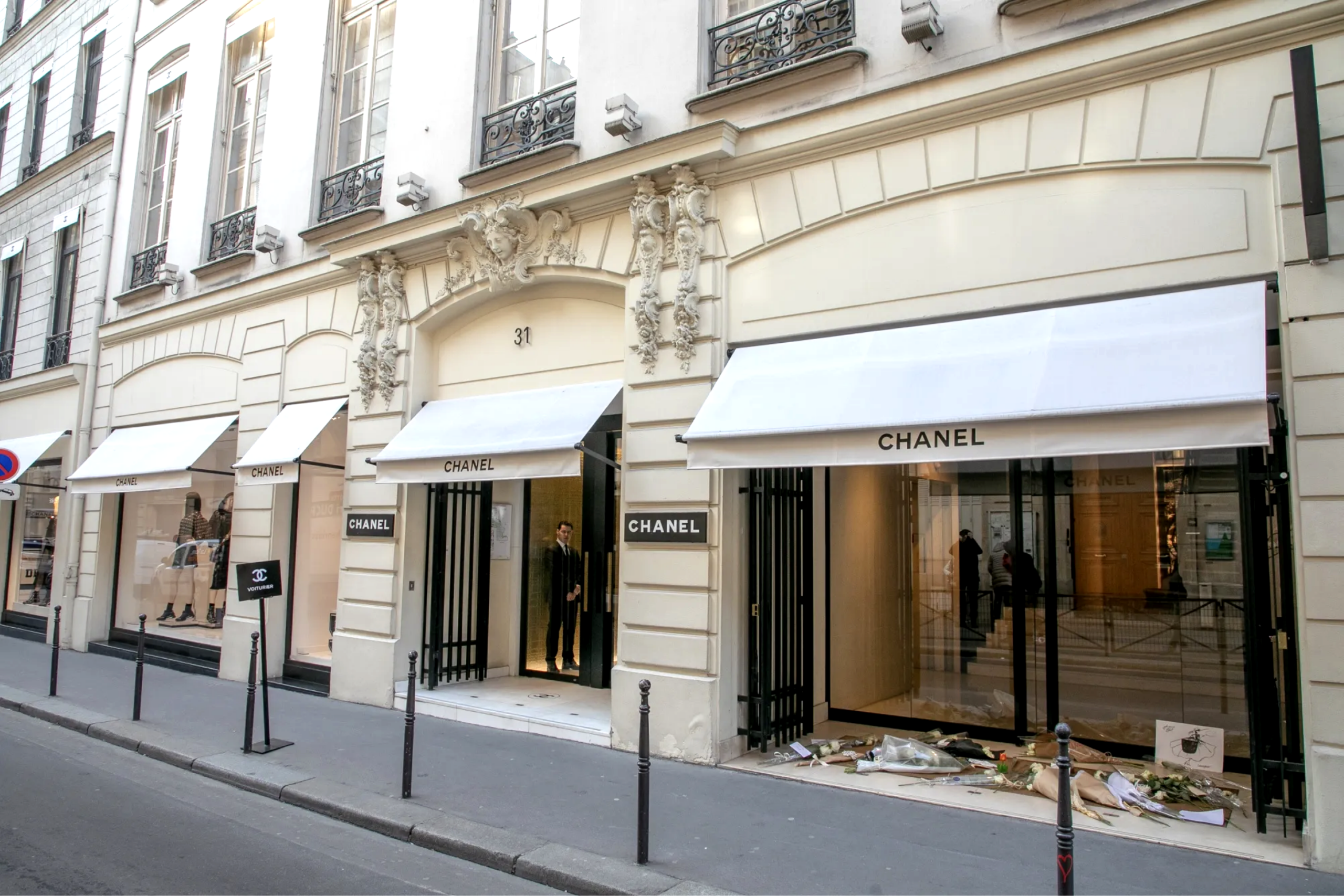
31 rue Cambon — the original stage. Here, Gabrielle built a house of style; today, it runs like a perfectly tuned machine of desire.
I’ve been around fashion long enough to know this isn’t new. But the scale is. The normalization is. Even millionaires now call the prices “ludicrous” while still participating. Others are still paying off past purchases while planning the next one.
So the question isn’t whether people can afford CHANEL.
It’s how they make it make sense.
THE SAVER WHO BREAKS HIS OWN RULES
(Income: ~$82,000 after tax)
A nurse, living at home, saving aggressively, contributing to a 403(b), doing everything right.
And then, once or twice a year, stepping outside the system entirely. A $9,000 CHANEL bag enters the picture—not because it fits, but because it doesn’t.
He admits it openly: he can’t really afford it.
He buys it anyway.
There’s something almost pure about that.
THE LIFE-MOMENT JUSTIFIER
(Income: ~$170,000)
A marketing director in Paris who waited for the right moment—and the right collection.
A child is born. Time passes. CHANEL becomes the delayed push present. Two pairs of shoes, around $3,000 total.
Not impulse. Not trend-driven.
A ceremony disguised as restraint.
Make an icon yours.
Shop Preloved Luxe now.
THE PROFESSIONAL SPENDER
(Income: ~$230,000 before tax)
Photographer, stylist, studio owner. Income flows, and so does CHANEL.
A pair of slingbacks every year. Sometimes more. Occasionally $4,000 boots.
Some purchases are “for work.” Others simply arrive.
Budgeting exists—just not in a traditional sense.
THE ONE-BAG-A-YEAR AGREEMENT
(Household income: ~$500,000)
Corporate retail meets tech salary. No kids. No chaos. Just a system.
One CHANEL bag per year.
Not because they must limit themselves—but because they’ve decided to. The discipline is almost admirable.
Until you remember the bag is $7,000.
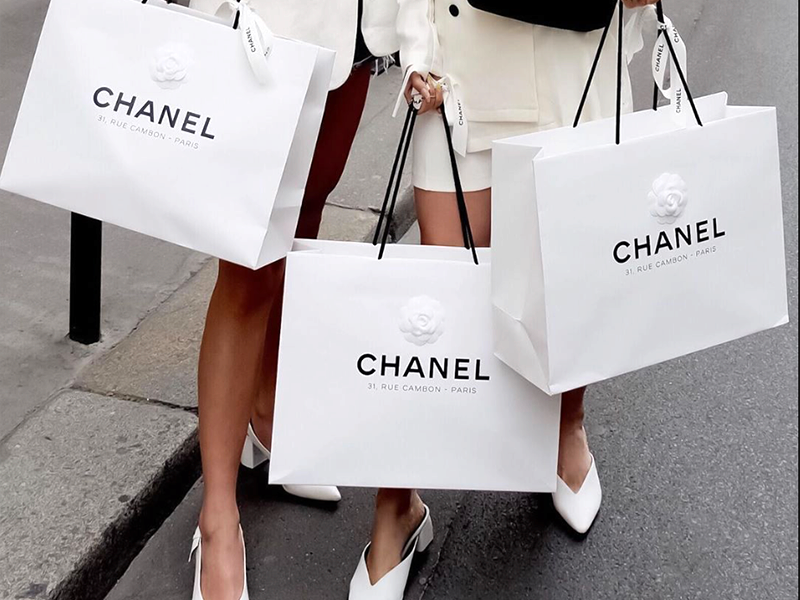
Three bags, one afternoon, and a quiet suspension of reality. Somewhere between desire and denial, CHANEL becomes less a purchase and more a performance.
THE LONG-TERM COLLECTOR
(Income: ~$400,000–$450,000)
Eighteen years of CHANEL. Quarterly shopping. Pink, specifically.
Annual spend: $20,000 to $40,000.
Not chaotic. Not impulsive. Structured, intentional, almost archival.
At some point, it stops being shopping.
It becomes continuity.
Curated Finds. Timeless Style,
Thoughtfully. CRIS & COCO.
THE MILLION-DOLLAR HESITATION
(Household income: $1M+)
Two tech careers. No mortgage. Strong investments.
Annual fashion spend: $50,000–$70,000.
And still—pause.
A quiet moment before purchase: Should this be gold instead?
Even here, the question lingers.
Which is oddly comforting.
THE LATE ARRIVAL
(Income: $1M+ last year)
A small business owner who built everything first.
Retirement secured. House paid off. Stability achieved.
Now, finally, CHANEL.
Not because prices softened—but because the story did.
Which is oddly comforting.
THE COLLECTOR OF BEAUTIFUL ABSURDITIES
(Income: 7 figures, UHNW)
An ostrich egg bag for $39,000.
No irony. No apology.
Just a clean acceptance that luxury, at a certain level, becomes art—or at least something adjacent to it.
Her stated goal: leave behind a beautiful auction catalogue.
Honestly, fair.
THE POWER DRESSER
(Income: ~$12 million)
A litigator. No trends. No noise.
CHANEL is not indulgence—it’s infrastructure.
Carefully collected over decades. Worn with intention. Designed to signal authority, not wealth.
Ironically, the most conservative use of luxury in the entire story.
Which is oddly comforting.
SO WHAT CHANGED?
Reading these lives, something becomes clear.
This isn’t just about money.
It’s about behavior.
People are stretching, justifying, timing, structuring, and ritualizing their way into CHANEL. Across income levels. Across lifestyles. Everyone participating, just at different levels of comfort—or discomfort.
Even those who can afford it are negotiating.
And the system?
It’s not pushing back.
It’s expanding.
FINAL THOUGHT
It used to be about style.
Now it often feels like access.
And somewhere between the nurse and the $12 million litigator, a quiet question hangs in the air:
Is everyone getting richer—
or just better at acting like it?
Editorial Luxury Awaits