
Money Killed Fashion. Then Bought the Met Gala.
By Thea Elle | January, 2026 | Couture CommentaryOnce upon a time, fashion was aspirational. Not accessible—let’s not romanticize—but at least conceptually reachable. You saw a collection, you dreamed, you saved, maybe once in a decade you bought the thing. A coat. A bag. Proof that life had, briefly, cooperated.
Now? Fashion doesn’t aspire to you. It invoices you.
Fashion in 2025 has completed its transition from cultural expression to gated community. Not a metaphorical one. A literal one, with velvet ropes, sales associates trained in facial-recognition-for-net-worth, and private shopping appointments where the champagne flows faster than the ethical questions.
Welcome to fashion’s final form: VIC-Core. Very Important Clients. Two percent of shoppers, forty percent of sales, one hundred percent of the attention. Everyone else may queue politely on the sidewalk and contemplate mortality while staring through the glass at a $1,000 logo T-shirt.
Luxury didn’t “lose its way.” It found its buyer—and promptly forgot everyone else existed.
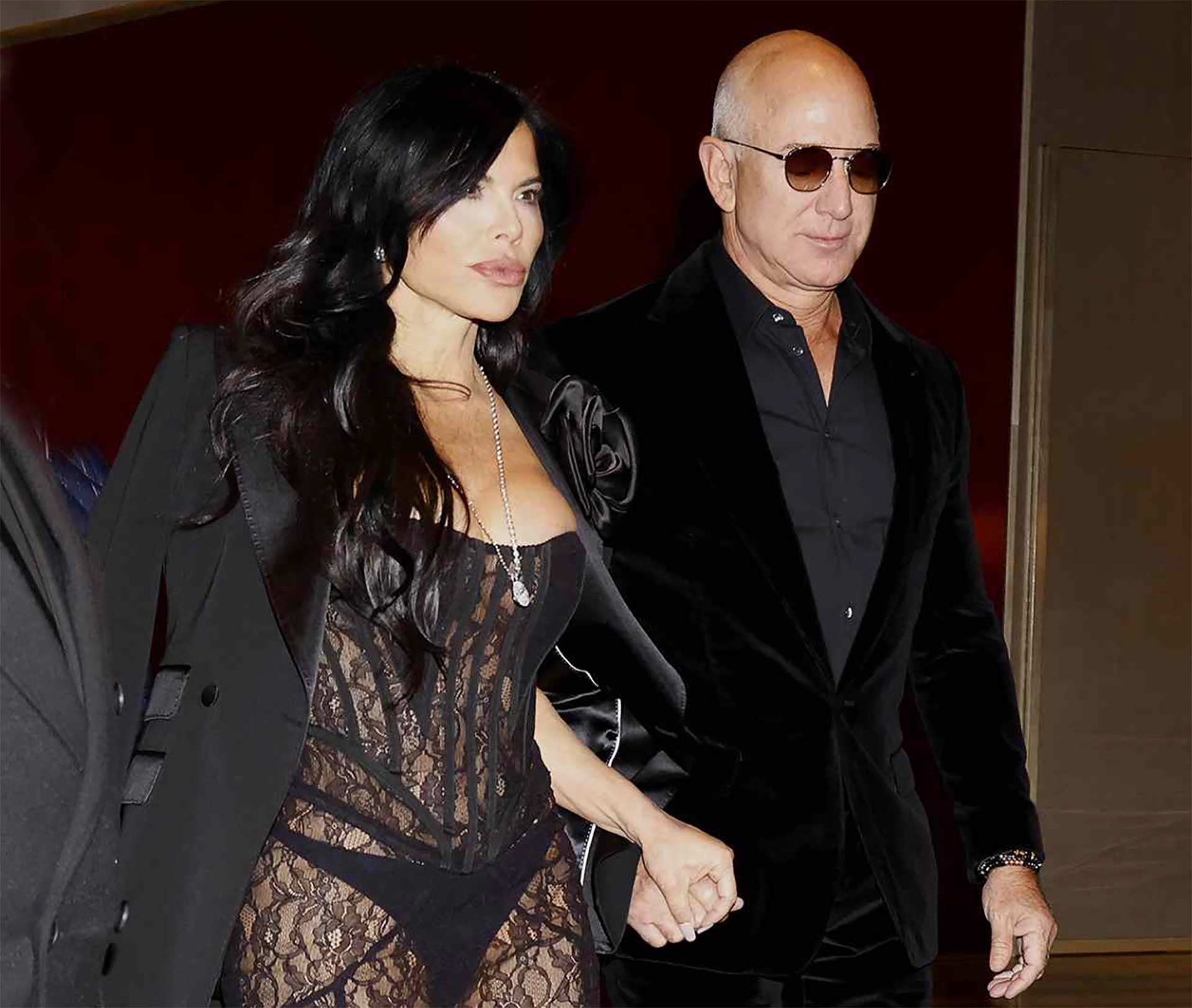
Fashion Week, late stage. Bodies engineered, taste outsourced, culture held hands with capital and called it chemistry.
When Fashion Stopped Designing Clothes and Started Designing Barriers
Designers still sketch for youth, subculture, rebellion, and sex.The buyers, however, are hedge fund heirs, crypto monks, and tech executives who dress like malfunctioning Patagonia mannequins.
This mismatch has consequences.
Fashion shows now resemble product demos for people who don’t actually like fashion. Collections rotate aesthetics like PowerPoint templates—Chanel looks like Bottega, Dior looks like Loewe, everything looks vaguely expensive and deeply uninspired. Beauty has been replaced by risk management.
Money doesn’t liberate creativity. It tranquilizes it.
The irony is exquisite: clothes imagined for bodies that dance, flirt, protest, sweat—sold exclusively to people whose primary physical activity is exiting black SUVs.
The Met Gala: Now Featuring Billionaires (No Taste Required)
Enter the Met Gala, fashion’s annual cosplay of relevance, now generously underwritten by Jeff Bezos and Lauren Sánchez Bezos.
Because if there’s one thing fashion was missing, it was logistics money.
We are told this is fine. Philanthropy! Culture needs patrons! At least he’s not going to space! Low bar, but noted.
Still, watching billionaires “meddle” in fashion feels like watching a hedge fund acquire a poetry slam. The outcome is predictable: smoother surfaces, fewer risks, and a lot more praise directed upward.
Museum staff reportedly thank the Bezoses by name in meetings. This is not sponsorship; it’s soft coronation.
Polite society, we’re told, is over. In its place: Power with a stylist.
Make an icon yours.
Shop Preloved Luxe now.
Vogue, Vanity Fair, and the Art of Moral Dry Cleaning
Meanwhile, Condé Nast plays its favorite game: editorial Jenga.
Vanity Fair does serious political journalism. Vogue does glamour. Everyone insists this division makes sense, as if aesthetics have never been political and fashion has never been a laundering system for power.
We are earnestly invited to debate whether Melania Trump or Lauren Sánchez Bezos “belongs” on a Vogue cover. As if belonging were the issue.
A glossy cover is not documentation. It is legitimation.
Turning politics into a “look” is how history gets upholstered. You don’t need to endorse power explicitly; you just need to style it beautifully enough that people stop asking questions.
This is the deal with the devil. Not because it’s dramatic—but because it’s routine.
Rich People Don’t Kill Fashion. Because They’re Evil.
They Kill It Because They’re Boring
Here’s the uncomfortable truth: wealth does not confer taste. Especially American tech wealth.
Watch any glossy portrayal of billionaire leisure—Palm Beach, Aspen, private islands—and observe the aesthetic outcome: bodies and faces engineered by plastic surgeons, maintained by personal trainers, preserved by money, then wrapped in clothes that scream price but whisper nothing.
It’s not style. It’s maintenance. Not taste. Optics.
This is fashion optimized for insulation, not expression.
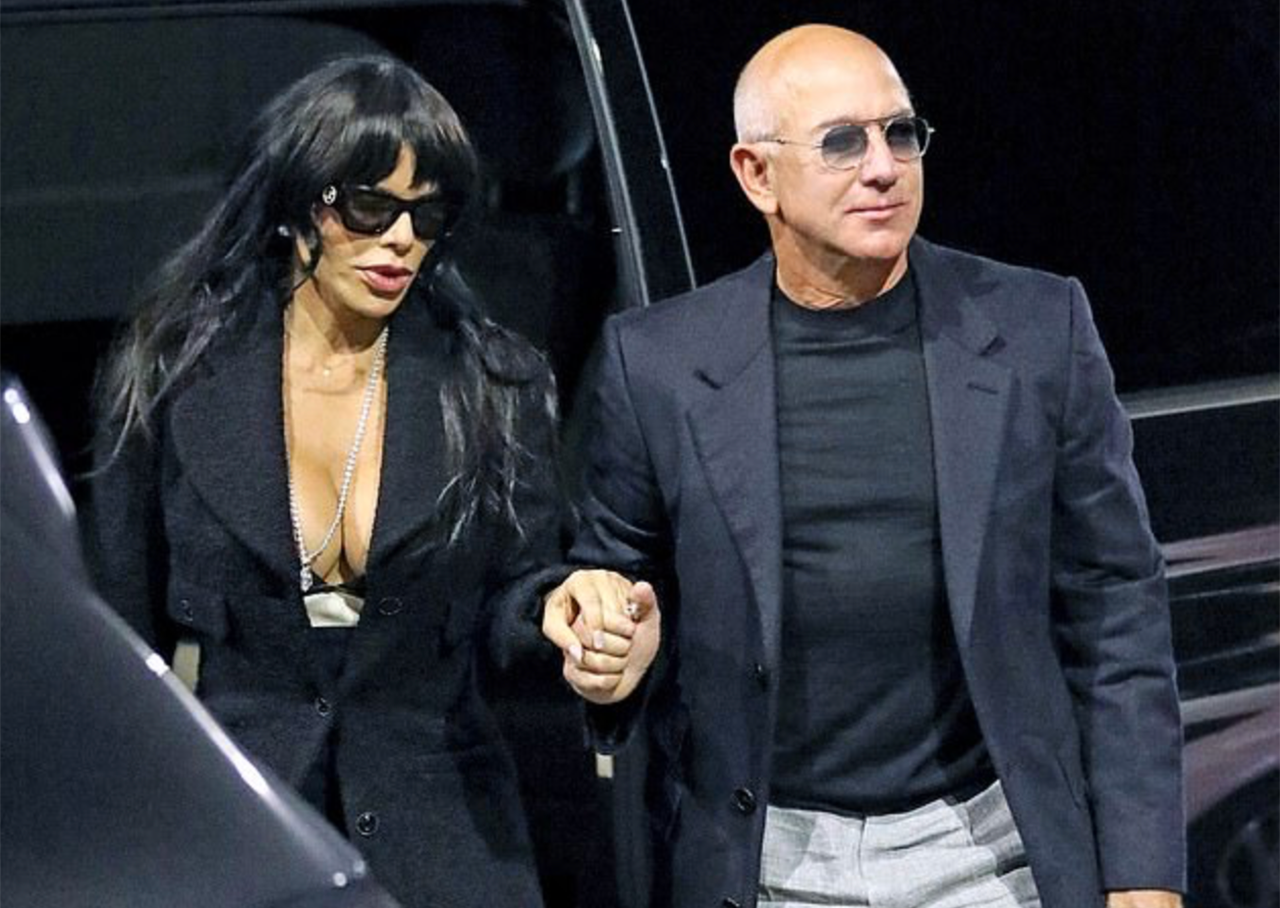
When spectacle holds hands with capital. Subtlety stayed in the car.
The Middle Is Gone. And With It, the Point.
Once, there was a middle: masstige, ambition, incremental indulgence.Now there is Temu at one end and six-figure cashmere at the other.
The message is clear:The rich get Birkins. Everyone else gets algorithms.
Why should anyone opt into this system?Why aspire to dress like people the public increasingly despises?
Luxury used to mark progress. Now it marks extraction.
And when fashion mirrors inequality too perfectly, it ceases to inspire. It merely documents the divide—beautifully lit, ethically unbothered, and completely hollow.
Curated Finds. Timeless Style,
Thoughtfully. CRIS & COCO.
Final Thought (Before the Rope Goes Back Up).
The symbolism couldn’t be cleaner. Inside the shows: clients, stylists, editors, photographers—people whose presence is justified by spending power, proximity, or utility. Outside: everyone else. The ones who actually care. The ones who came for ideas, not invoices.
Fashion used to pretend it was democratic. Now it doesn’t bother. You don’t attend shows anymore—you qualify for them.
So yes, designers still sketch youth, subculture, rebellion. But those drawings are handed out immediately to people who neither live those lives nor understand them. The result is fashion as tax shelter: risk-neutral, controversy-free, spiritually beige.
And the line outside? That’s the real runway now.
Cold. Long. Unpaid. But at least it’s honest.
Cold. Long. Unpaid. But at least it’s honest.
Fashion doesn’t need more billionaires. It needs friction. Access. Risk. People who care more than they spend.
The system is grotesque. And the line outside? That’s the real runway now.